The signs you need custom software, common types businesses commission, and what the real development process looks like.
Every business eventually reaches a point where generic tools — from Excel to off-the-shelf software — simply can't keep up with its real-world workflow anymore. That's where "custom software" comes in. In this article, we explain exactly what custom software is, how it differs from off-the-shelf products, and how to tell whether your business actually needs one.
Custom software is built from the ground up, designed precisely around the needs, workflow, and goals of one specific business — unlike off-the-shelf software, which is built for the general market and a wide range of different businesses. This can include an internal management system, an order management panel, a reservation system, or any other tool that matches exactly how your business actually operates.
A panel that brings all your business data — from sales to inventory and customers — into one place, making decision-making faster.
Unlike generic CRMs, a custom version is designed precisely around your team's actual sales process, not a standard international template.
From automatically issuing invoices to sending customer reminders, custom automations can eliminate hours of manual work from your team's week.
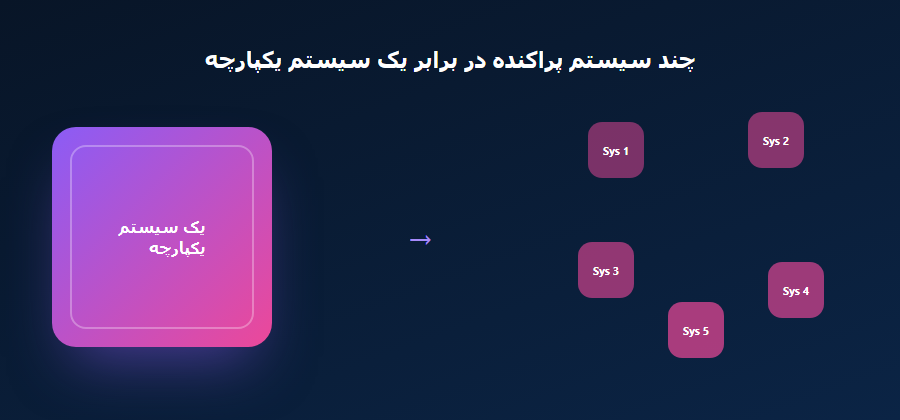
If you have several different pieces of software that need to exchange data with each other, building a custom API integration can keep these systems automatically in sync.
The process usually starts with a requirements-review meeting to precisely identify your actual workflow and current problems. This is followed by technical architecture design, step-by-step development (often with testable working versions along the way), and finally team training and post-delivery support.
If you feel like your current tools can no longer keep pace with your business's growth, our team can use a free consultation to pinpoint exactly where in your process the greatest potential for saving time and money lies.
 Hamed Rezaie